
Written by Theo Rijs, Chair National Scout Programme
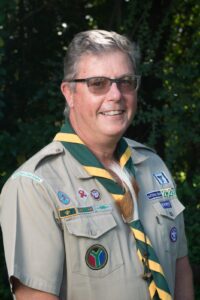
Photo: Howling Hound Photography
What makes Scouting different from many other youth activities? The answer is simple – The Patrol System.
For more than a century, the Patrol System has been at the heart of Scouting around the world. It is not just one way of running a Scout Troop – it is the only way. As Scouting founder Lord Baden-Powell famously said: “The Patrol System is not one method in which Scouting can be carried on. It is the only method.”
While Scouting is associated with camping, hiking, outdoor adventure and community service, it is the Patrol System that brings these experiences to life and turns them into opportunities for learning, growth and leadership.
So, what is a Patrol and how does the Patrol System work? A Patrol is a small team of Scouts, typically six to eight members, led by a Patrol Leader who is also a Scout. A Patrol Leader is a Scout learning to lead by leading – a leader in the making.
Rather than adults directing every aspect of the Scout programme, Scouts work together in their Patrols to plan activities, solve problems, make decisions, and take on challenges. They camp together, cook together, learn together and support one another along the way. The Patrol becomes much more than just a team. It is where Scouts build friendships, learn to trust one another and develop a sense of belonging. It is also where leadership begins.
One of the greatest strengths of the Patrol System is that it gives young people something that is increasingly rare – the opportunity to take real responsibility. Whether organising a Patrol activity, planning a hike, preparing a meal on camp or taking part in a community service project, Scouts are encouraged to contribute ideas, make decisions and work together to achieve their goals.
Patrol Leaders learn how to guide and support their Patrols, while Patrol members learn how to cooperate, contribute and take responsibility for their role in the team. These lessons are not taught through lectures or worksheets; they are learned through experience because Scouts learn by doing.
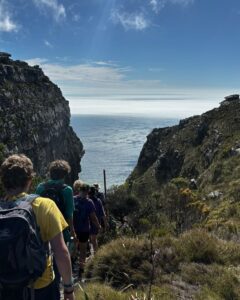
Source: Facebook 3rd Pinelands
When young people are trusted with responsibility, they grow in confidence. Not every camp goes exactly to plan, sometimes the weather changes, meals take longer to cook than expected or challenges arise along the way. The Patrol System gives Scouts the opportunity to work through these situations together, learning from both successes and mistakes. In a safe and supportive environment, they challenge themselves, discover what they are capable of and grow into confident, capable young people.
Within a Patrol, Scouts also learn how to work with people who may have different ideas, strengths and personalities. They learn to listen, communicate, compromise and support one another. Whether building a pioneering project, navigating a hike or tackling a challenge together, Scouts quickly discover that success is often achieved through teamwork rather than individual effort.
The skills learned in a Patrol extend far beyond Scouting. They help prepare young people for school, future careers and active participation in their communities. More importantly, they help develop resilience, responsibility, confidence and character – qualities that will serve them throughout their lives.
At SCOUTS South Africa, the Patrol System remains the foundation of every successful Scout Troop because it places Scouts at the centre of their own development. More than a century after Baden-Powell introduced it, the Patrol System continues to help young people grow into confident, capable leaders through adventure, teamwork and shared experiences.
In Scouting, leadership is not something Scouts are simply told about – it is something they live every day – and that is the power of small teams learning big lessons through the Patrol System.